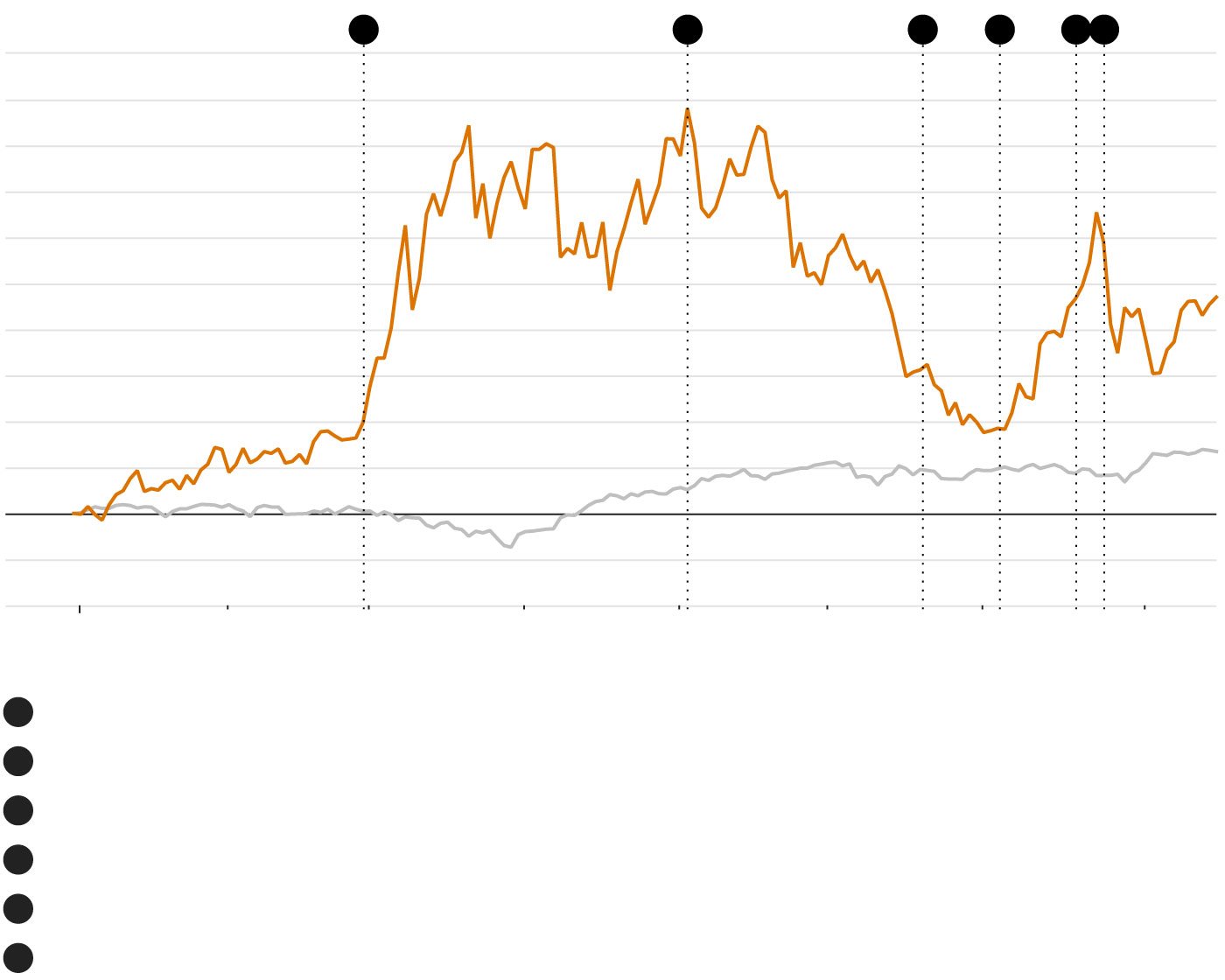
The war that began with an opening strike on February 28, the one that killed Irans Supreme Leader, has now lasted six months, and the damage it has done to the global energy system is structural, not transient. Traffic through the Strait of Hormuz has collapsed from roughly 130 vessels a day before the conflict to an average of 15 in August, under Iranian drone and missile attacks on commercial shipping and a U.S. blockade on Iranian ports.
The consequences are cascading. Sailing an oil supertanker from the Persian Gulf to China now costs more than 500,000 dollars a day, more than double the pre-war rate, driven by insurance premiums and a shrinking pool of willing shippers. Gulf producers in the UAE, Kuwait, and Iraq are pouring billions into new pipelines and re-routing cargo through Suez, adding up to 30 days on some journeys to Asia. The U.S. Strategic Petroleum Reserve has drawn down to its lowest level since the 1980s.
The war has also redrawn the regional security map. Hezbollah broke its ceasefire with Israel to defend its patron. The Houthis declared a maritime blockade of Saudi Arabia in the Red Sea in July. Irans new Supreme Leader, Mojtaba Khamenei, has tightened the military chain of command and ordered the Revolutionary Guard Corps to position allied militias in Iraq, Yemen, and Lebanon for a potential escalation.
Oil prices are hovering above 80 dollars a barrel, not the 150 the direst forecasts predicted, but the mechanism that will keep them elevated for years is already in place: a global shipping system that has permanently re-priced the risk of transiting the Persian Gulf. Six months in, the wars most lasting legacy may not be any single strike, it is the new arithmetic of global energy.