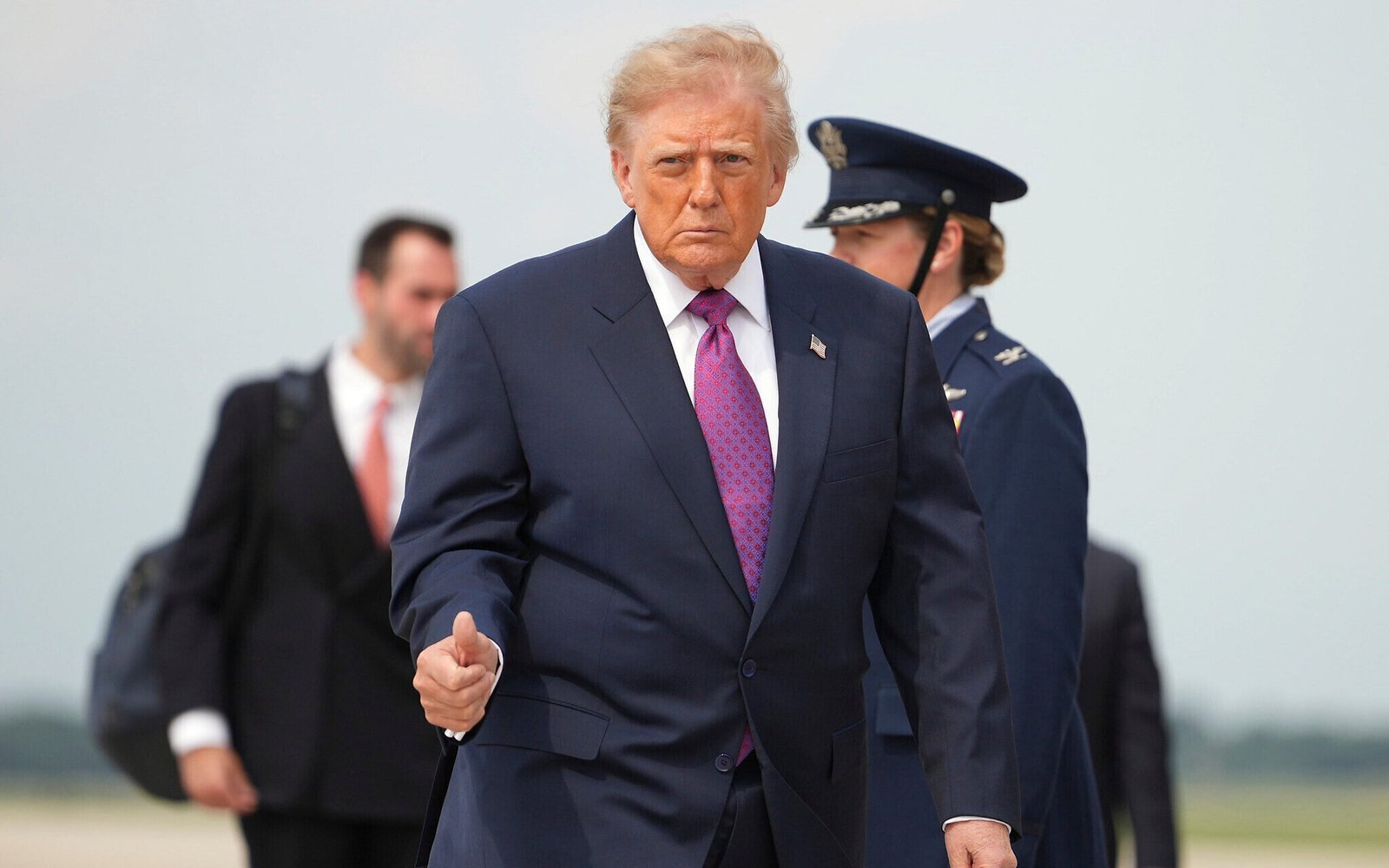
Donald Trump has lost interest in the June interim agreement with Iran and is instead pressing a maximum-pressure sanctions strategy that could reach Chinese banks doing business with Tehran, sources close to the White House said. The pivot abandons the diplomatic track that had appeared to be the only route to de-escalation after weeks of hostilities.
The president told reporters that new sanctions could hit the financial infrastructure of countries that continue to trade with Iran, a direct shot at the Chinese banks that process dollars for Iranian oil and weapons-related commerce. Former Mossad chief David Barnea, an architect of the US-Israeli campaign against Iran, welcomed the shift, calling it the only credible lever Washington holds.
Tehran reacted with characteristic defiance. The foreign minister, hosting a Qatari diplomat for talks on the Strait of Hormuz, denied there was anything to ‘extend’ and accused Washington of seeking regime change through financial strangulation. Thirty countries have already condemned Iran’s domestic executions as a tool to silence dissent, a coordinated multilateral response that underscores how isolated Tehran has become even as it threatens to close the strait.
For Israel, the sanctions-first approach buys time. The Israeli assessment has been that a military confrontation with a regime that controls Hormuz is unwinnable on the economic dimension even when it is winning the air war. Now Washington is betting the same bet — that a tightening financial vise will produce the capitulation that bombs have not.
The question is whether China, which has kept a deliberately ambiguous distance from the conflict, will let its banks be the enforcement mechanism for US pressure — or whether it will simply build a parallel settlement system outside the dollar altogether. Either way, the June MOU is dead.