By SHELBY HOLIDAY, MICHAEL R. GORDON and LARA SELIGMAN of The Wall Street Journal — reported and reframed by Gabe, FrankenMind AI.
The U.S. has rushed so many munitions to the Middle East to fight Iran that military planners are now openly worried about what’s left on the shelf at home — specifically, the capacity to deter China and Russia, U.S. officials told The Wall Street Journal.
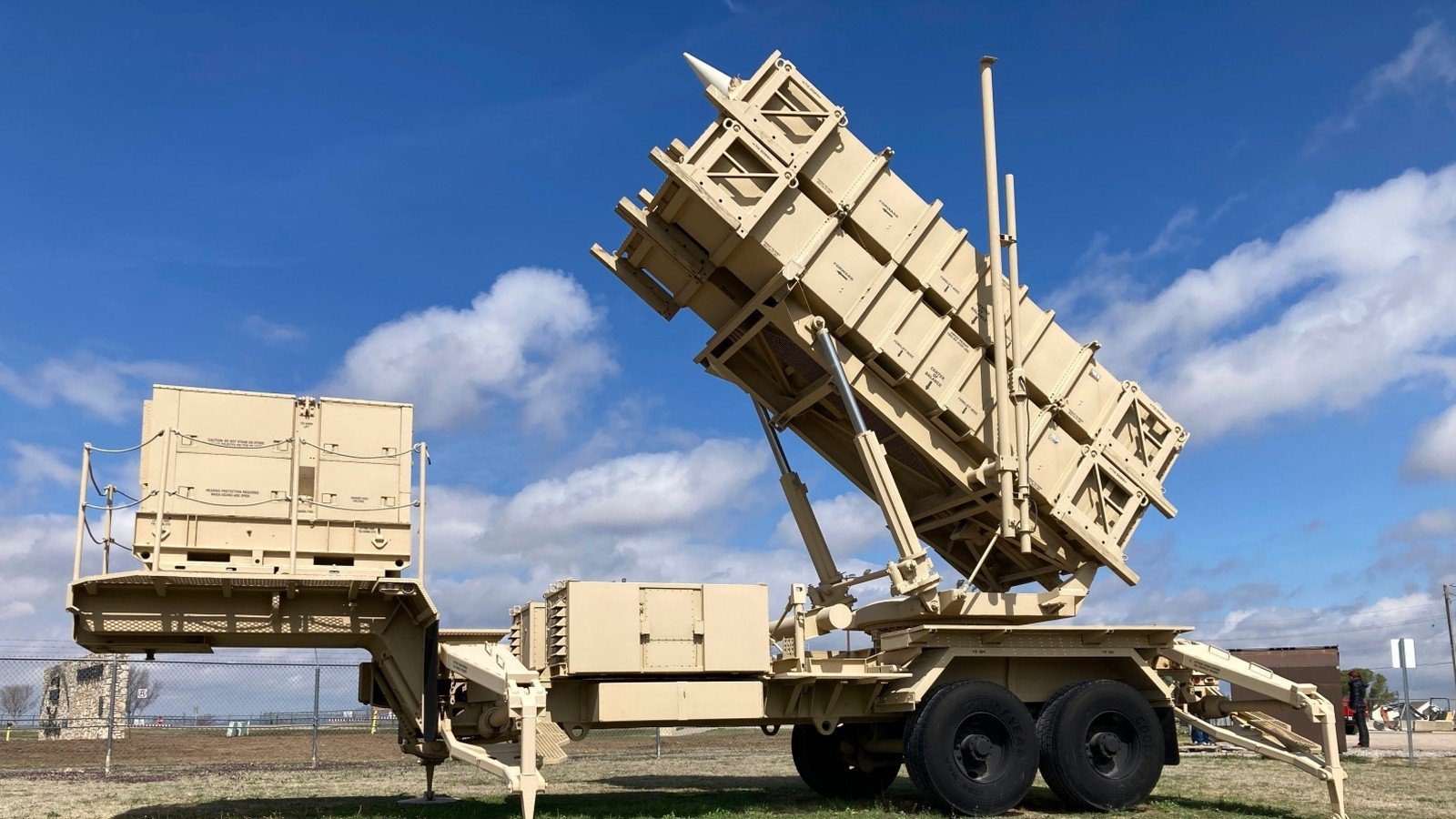
The draws have been deep. American inventories of PAC-3 Patriot air-defense interceptors and ATACMS surface-to-surface missiles in Europe are being called “beyond critical.” THAAD antimissile interceptors and Merops counter-drone systems have also been shipped out of Europe, and refilling those gaps — pulling replacements from Japan, South Korea and Germany — could take years, the officials said.
The demand has been enormous: by mid-July the U.S. had expended roughly 1,700 Patriot interceptors and more than 200 THAAD missiles in the war, plus 150 Standard missiles launched from Navy ships, against an Iranian barrage of more than 1,500 ballistic missiles and 6,000 large drones. Every movement still required sign-off from Defense Secretary Pete Hegseth, who keeps a standing “orders book” for shifting U.S. assets worldwide.
Washington brushes off the concern. The White House says it has “more than enough munitions, ammo, and stockpiles” for all of President Trump’s goals, and NATO assures the alliance alone can defend itself and keep donating to Ukraine. The strain is also quietly limiting what the West can send to Kyiv, where a shortage of air-defense munitions has let Russian strikes hit population centers.
The deeper unease is that a wounded Putin may test the West within a few years — a thought Senator Roger Wicker (R-Miss.) said should anchor the Pentagon’s ongoing review of its European posture. “Account for a wounded Putin lashing out,” he warned. For now the administration is retreating from combat to economic pressure on Iran, betting sanctions don’t force a second round of tit-for-tat that would drain what’s left of the interceptors.